

Full Send

Greatness Requires Impact
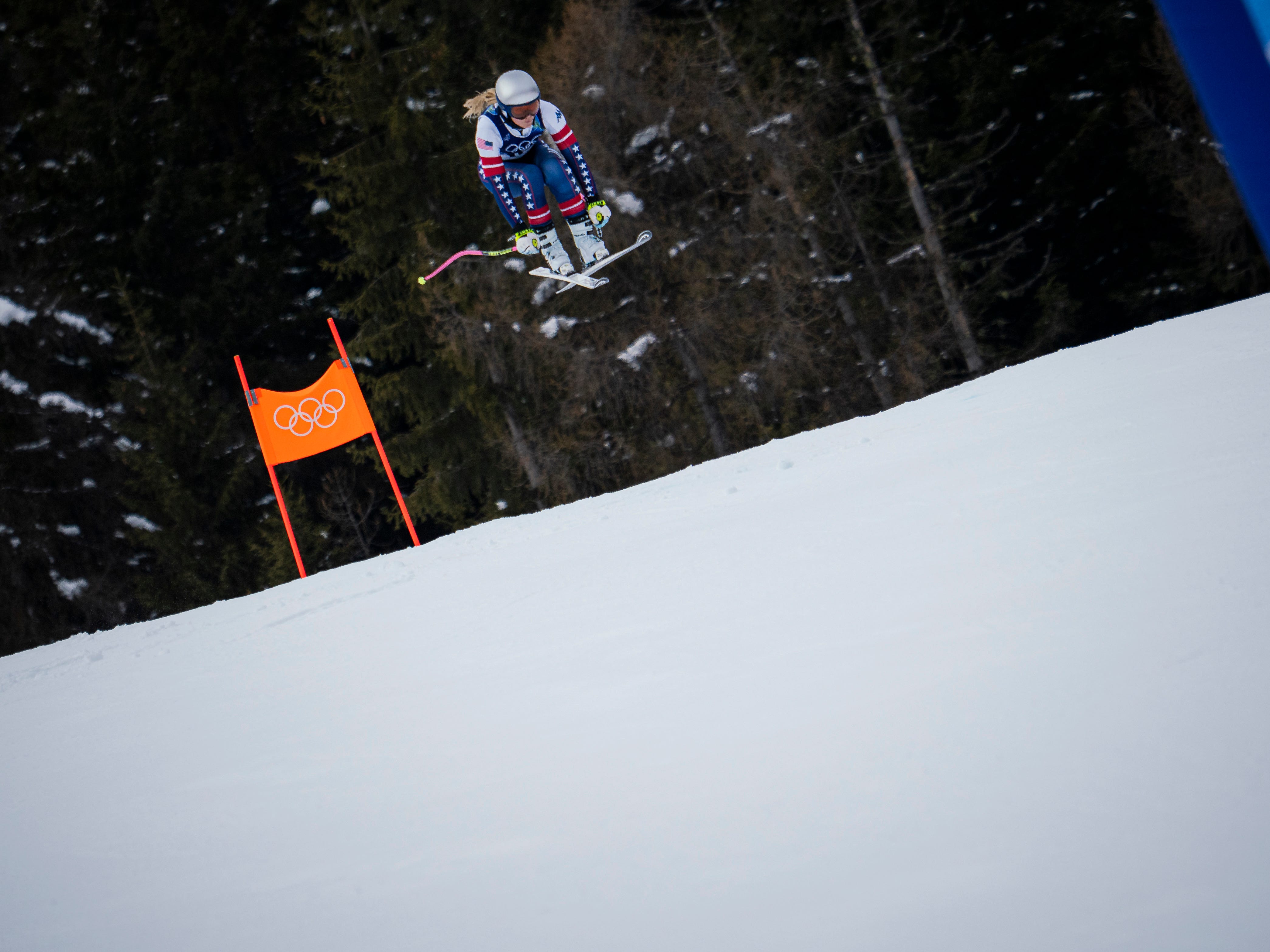
A week before the Olympic downhill, Lindsey Vonn tore her ACL in a training run and was airlifted off the mountain. Most stories would end there, but this one didn’t.
Lindsey is famous for the full send. It’s in her DNA to ski so close to the limit that when she said she would leave nothing on the course, commentators admitted it made them nervous, because with her, giving everything has always meant accepting the risk that comes with it.
Quoting her longtime coach and mentor, Erich Sailer, she returned to the line that has become synonymous with her approach to risk: “It’s only 90 seconds. What’s 90 seconds in a lifetime?” That is her leadership calculus.
Culturally, we tend to talk about failure as a verdict, or as evidence that something went wrong. But at the highest altitudes, failure works differently. There, falls are merely evidence of velocity and motion.
Lindsey didn’t crash because she lacked discipline or preparation. She crashed because her risk was so calculated that she chose to operate at the limit of what was possible, not because of how she might come undone, but because of what awaited her at the podium had she not had that single wobble. She trained doggedly, with deep respect for the cost of injury, because she knows it intimately. And when the moment arrived, she sent it.
She’s known for having an unusually high number of wins because she has an unusually high number of injuries. That’s how she operates.
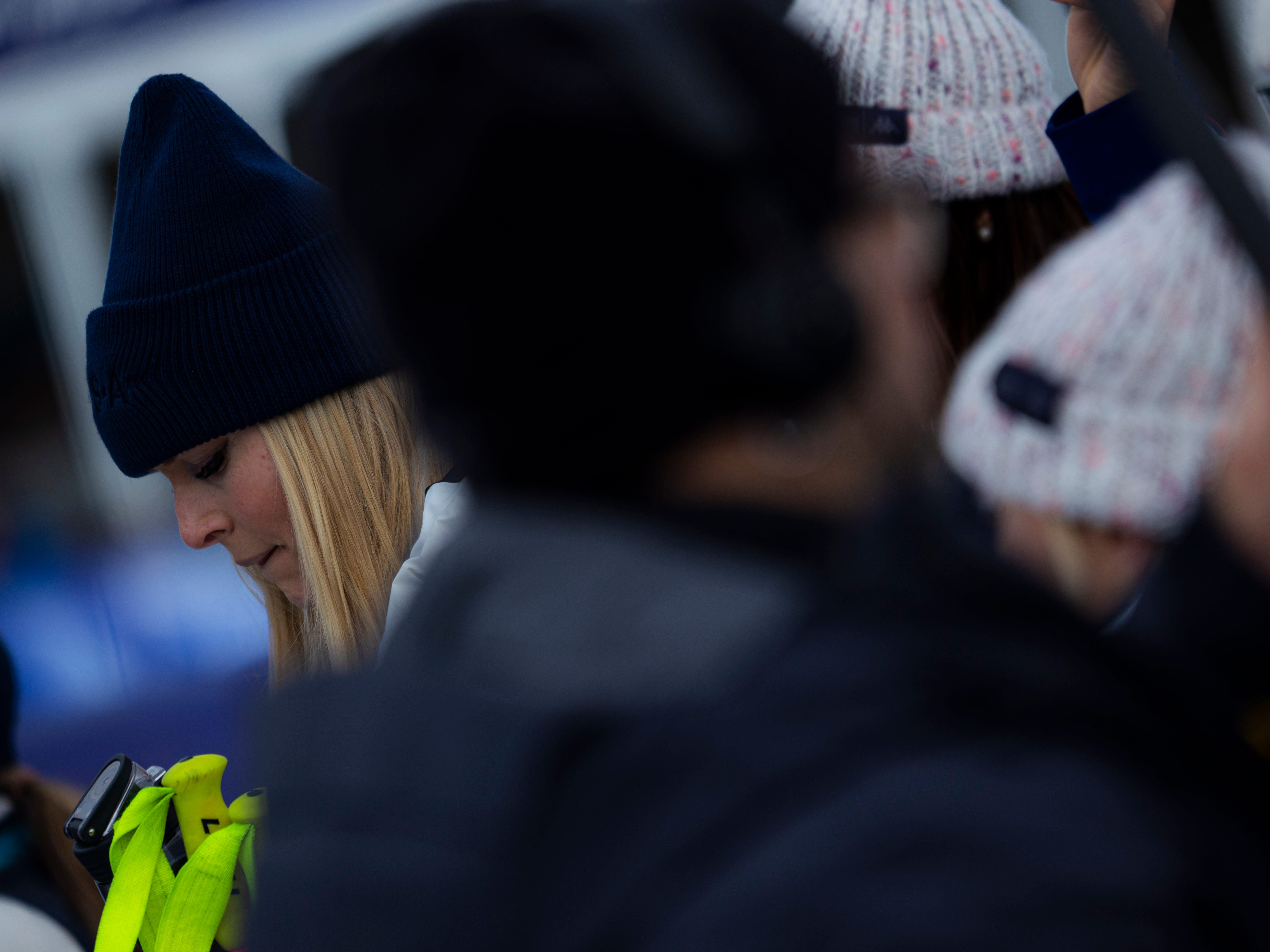
Leadership works similarly. When we aim for adequacy, we can optimize for safety. But when we aim for greatness, when we try to build what does not yet exist, change systems that resist change, and lead in ways that require imagination as much as endurance, impact becomes inevitable.
We do not achieve firsts without falls. We do not move systems without resistance. We do not reach the highest altitude without unforgiving terrain. And as we climb higher, fewer people accompany us.
Failure, then, is not a detour on the path to excellence. It’s the cost of entry.
Leadership at altitude requires two distinct disciplines: knowing when to go full send, and knowing how to fail up.
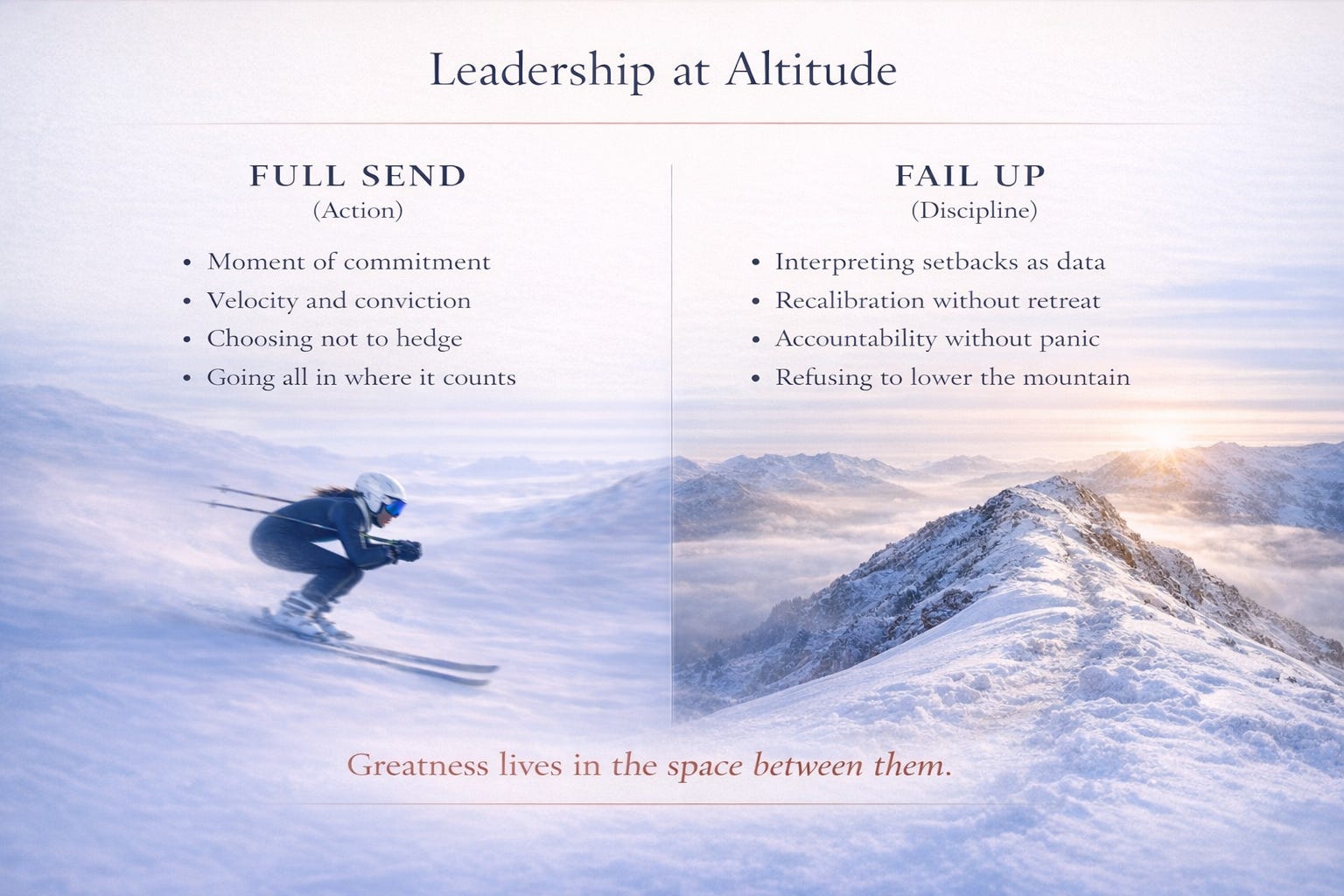
Transformational leadership does not come from doing what has always been done. It comes from performing in moments that have not existed before. Chasing excellence feels unstable precisely because the past cannot fully instruct you. Precedent runs out. You are making the path as you move upward.
When ambition outpaces precedent, failure becomes data, so that when we pick ourselves up, we can get it right. This is what it means to fail up.
And let me be clear. Failing up does not mean lowering standards. If anything, it means refusing to lower the mountain. It means accepting that when you move faster and higher than what previously existed, the ground meets you differently. Only those who are moving upward can fail up. Failing up is not permission to abandon accountability; it is a deeper commitment to it.
This distinction matters profoundly at the executive and governance level. When leaders and boards understand that a path can fail without the mission failing, they create room for honest assessment, course correction, and sustained momentum. The alternative, treating any deviation as disqualifying, does not produce excellence. It produces caution, which eventually leads to smaller ambition.
Failing up requires discernment. Restraint is not the same as hesitation. Lindsey did not go all in everywhere. She held back in training to protect her body, preserving energy and reducing risk, knowing she would lay it all out on the Olympic course.
Leadership works the same way. Wisdom is pacing and discipline. Courage is knowing when not to hedge, when the moment matters, when ninety seconds carry the weight of a lifetime.
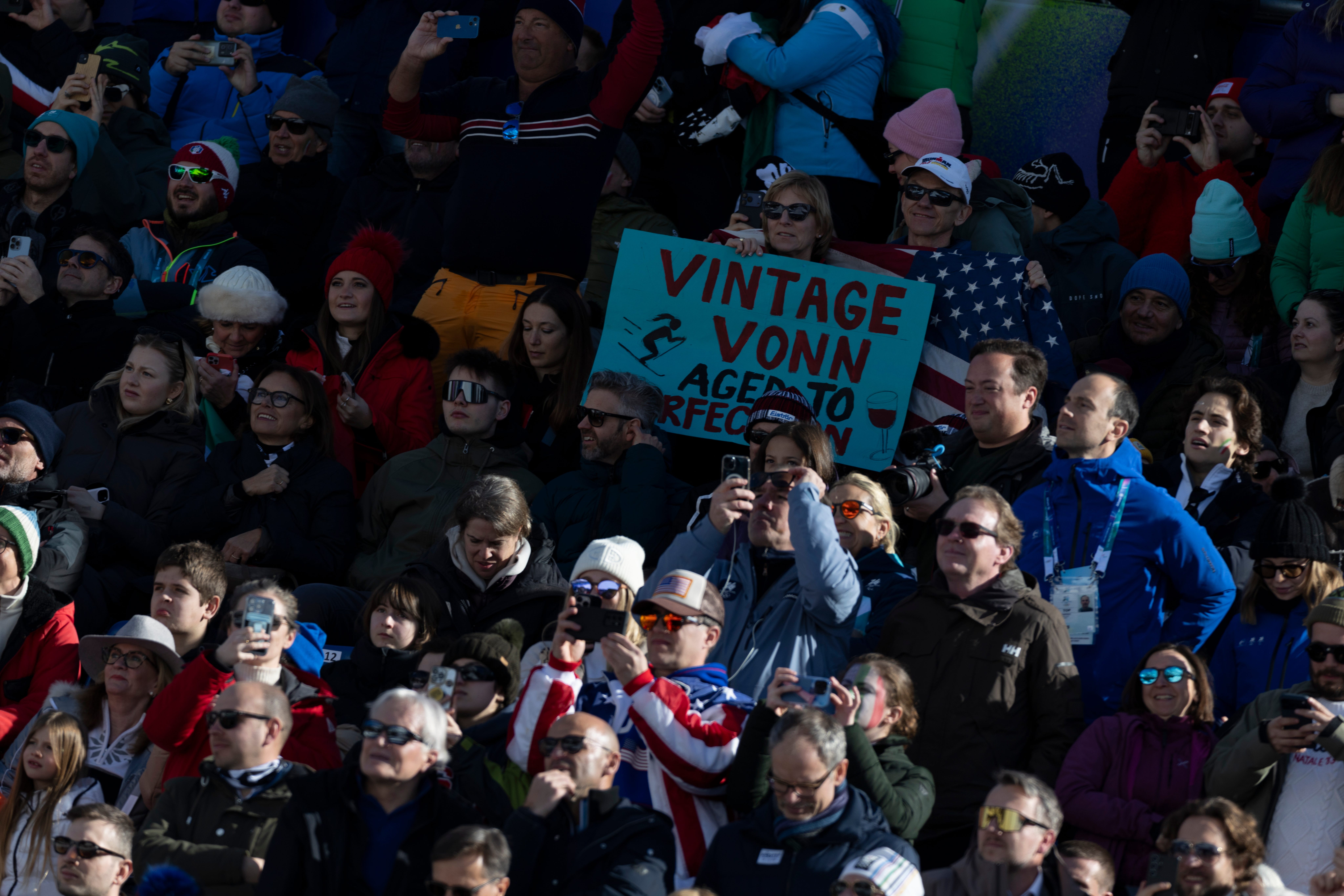
Failing up is evidence of proximity to the limit and the pursuit of greatness. Properly understood, it is not cultural leniency, but protection against institutional drift and quiet underperformance.
The leaders I trust most are not those who have never fallen. They’re the ones who did not lower their aim after they did, and hold pride in their scars.
It has also meant normalizing gentleness alongside brazenness in pursuit of a real diagnostic. Praise matters for morale and momentum, but it does not, on its own, make us more excellent. Excellence requires the discipline to debrief honestly, to ask not just what worked, but what we would do differently next time, and to resist the comfort of repetition simply because something once succeeded. When we find ourselves doing the same thing again and again without interrogation, that is where risk lies.
The full send also requires clarity about resources and focus. Just because a leader can do everything does not mean an institution should depend on that elasticity indefinitely. In my work, I have seen how preserving and conserving strategic energy, while deliberately expanding capacity where it matters, creates the conditions for bold decisions to succeed. That kind of readiness is how we ensure that when the moment comes to go all in, the infrastructure and trust are already in place to support it.
Fail, because we all will. But fail up, because greatness doesn’t happen by repeating the past. It happens by fully inhabiting the present, risk of falling and all, choosing ambition over comfort, and understanding that doing something new, doing it differently, doing it at scale will carry impact in its wake.

That is the price of excellence at altitude, and it is worth paying.
With gratitude to Lindsey Vonn, whose career continues to define grit and the full send.